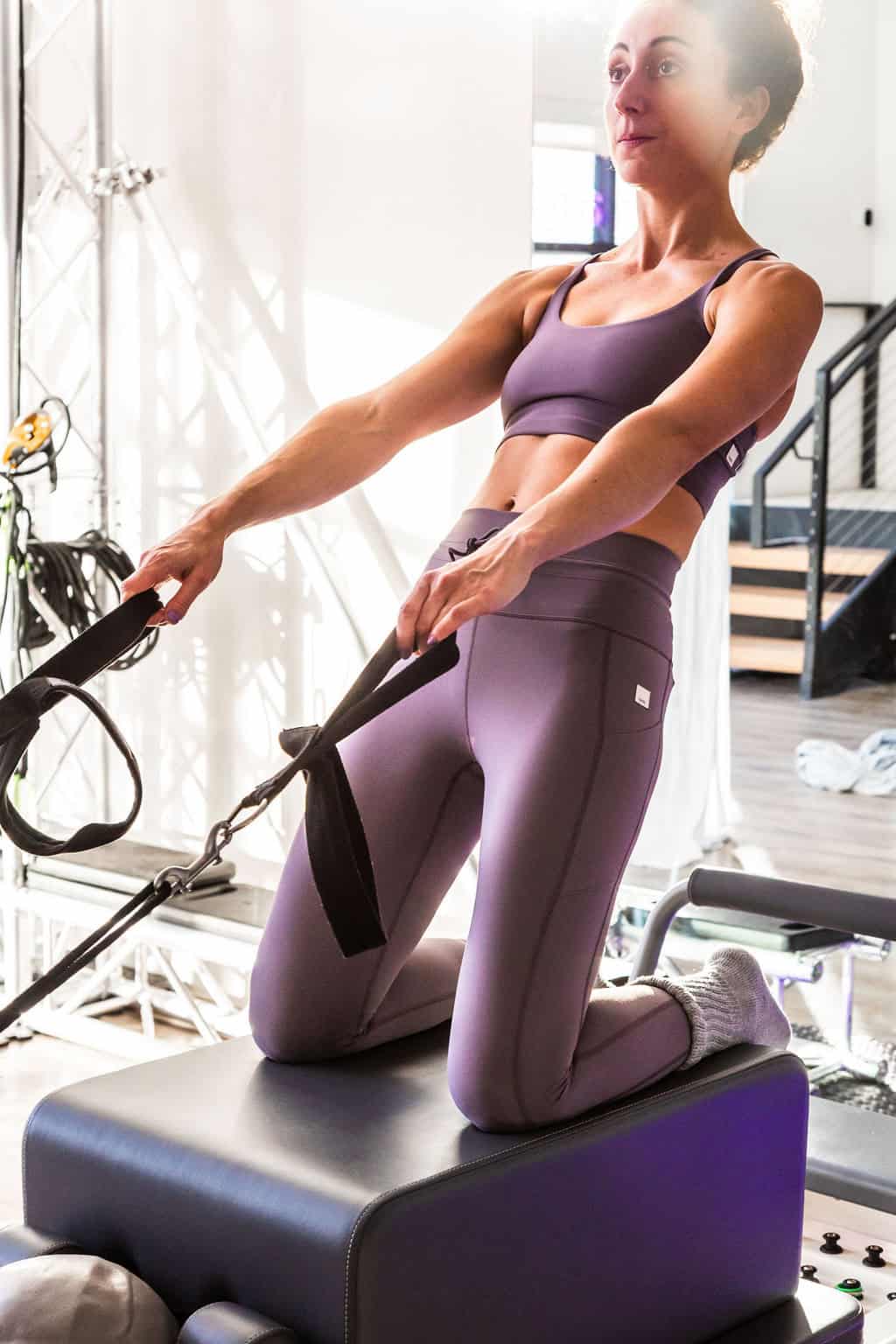
Why You Should Be Doing Pilates and Aerials Especially If You Have Gut Issues
If you’ve ever noticed that you feel lighter, less bloated, or more energized after a Pilates class, you’re not imagining it.
While Pilates isn’t a treatment for digestive conditions, emerging research suggests that regular movement—particularly mind-body exercise like Pilates—can positively influence several factors that affect gut health, including digestion, stress levels, nervous system regulation, and energy.
Blog Guide
- Is Pilates Good for Gut Issues? What the research says
- Why we think Pilates + aerials might improve gut health even more than Pilates alone.
Is Pilates Good for Gut Issues?
Short answer, yes. Here is what the research says
Improved Vagal Nerve Tone
The vagus nerve is one of the primary communication pathways between your brain and your digestive system. Often referred to as the “gut-brain connection,” it helps regulate digestion, motility (movement of food throughout your body), inflammation, and stress responses.
Pilates emphasizes diaphragmatic breathing, rib cage mobility, and coordinated movement patterns, all of which may help stimulate vagal activity and promote a more regulated nervous system.
Why does this matter?
When we’re stuck in a chronic “fight or flight” state, digestion often slows down. By encouraging a shift toward a more parasympathetic (“rest and digest”) state, Pilates may create a more favorable environment for healthy digestion.
Increased Energy Levels
Digestive discomfort, bloating, and sluggishness often go hand-in-hand with low energy.
Studies consistently show that regular exercise can improve mitochondrial function, circulation, sleep quality, and overall energy levels. Pilates offers these benefits without placing excessive stress on the body, making it particularly appealing for individuals managing fatigue, hormonal transitions, chronic pain, or digestive concerns.
Many of our members report feeling more energized after class—not depleted.
Reduced Anxiety and Depression
The gut and brain are deeply interconnected. In fact, stress and anxiety can directly influence digestion, bowel function, and gut sensitivity.
Research has shown that Pilates can reduce symptoms of anxiety and depression while improving overall wellbeing and quality of life.
By combining breathwork, concentration, and movement, Pilates provides a unique opportunity to regulate the nervous system while building strength and mobility.
Increased Bowel Movements
One of the most exciting findings comes from research showing that structured Pilates programs may significantly improve bowel function.
In one study, participants experienced improvements in constipation symptoms, with bowel movement frequency increasing by as much as 97%.
Movement helps stimulate the muscles surrounding the digestive tract, improve circulation to the abdominal organs, and support healthy gut motility—all important factors for regular digestion.
Why we think Pilates + aerials might improve gut health even more than Pilates alone.
This is where things get really interesting.
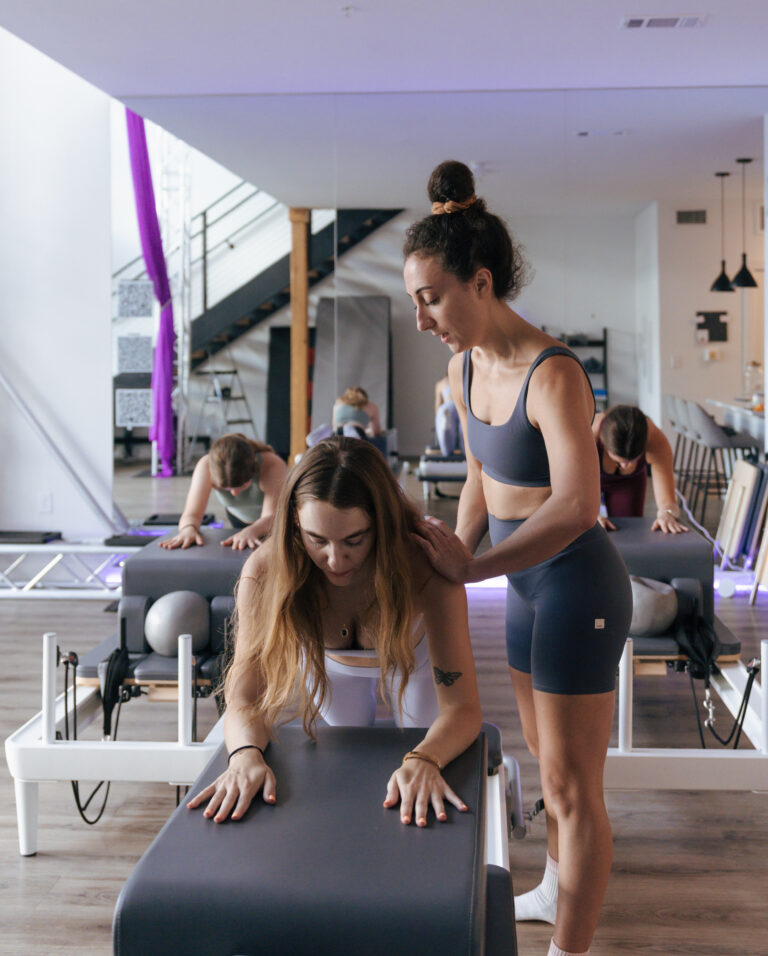
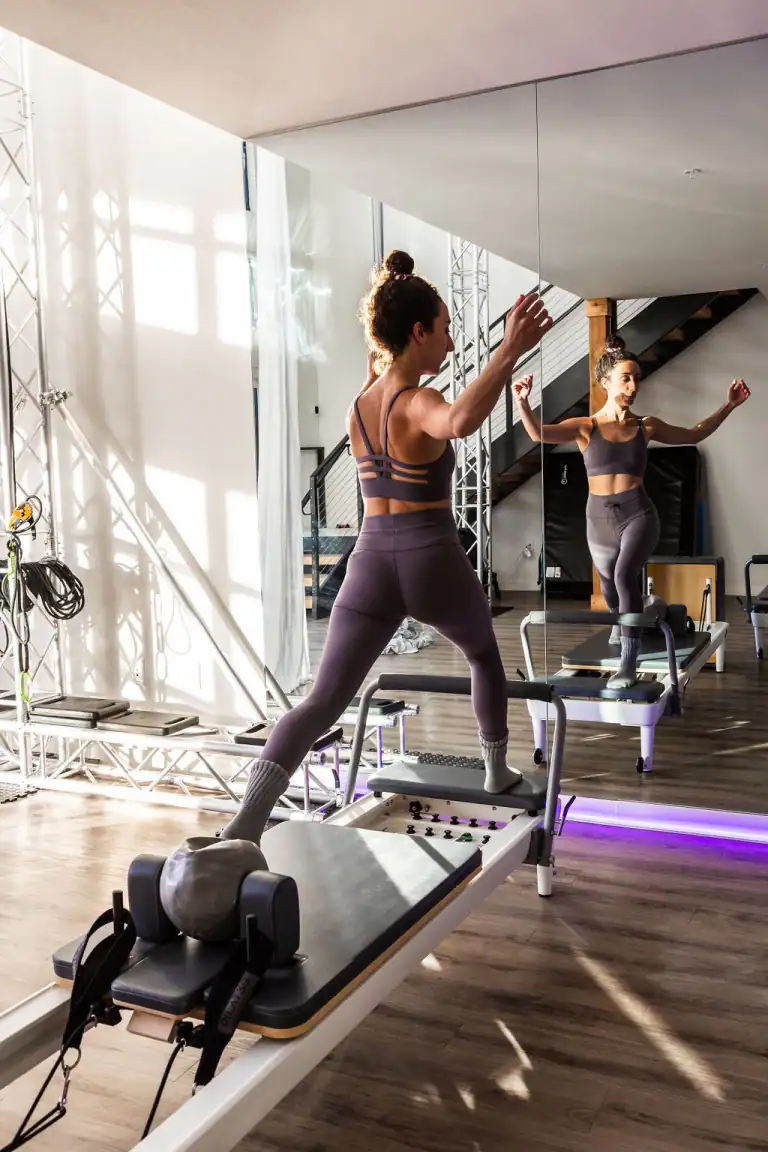
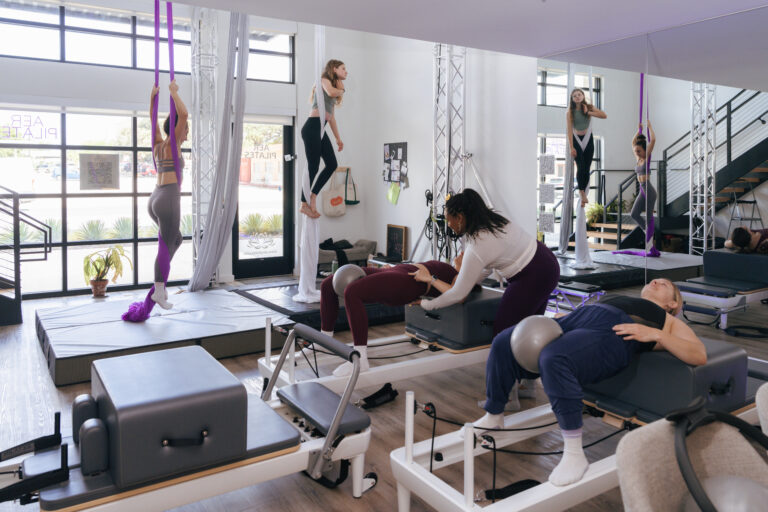
At AER, we’re currently exploring the effects of combining Pilates and aerial silks through our ongoing research initiatives.
While we can’t yet make definitive scientific claims, there are several reasons we believe the combination may offer unique benefits.
More Joy = Better Health
One of the early themes emerging from our research is that participants consistently report increased joy, confidence, and a greater sense of capability when combining Pilates with aerial training.
Those outcomes matter.
Positive emotional states are associated with lower stress levels, improved nervous system regulation, and healthier gut-brain communication.
Increased Confidence and Perceived Ability
Many women come to us believing certain movements—or even entire activities—are beyond their reach.
Learning a new aerial skill often creates a powerful shift in self-perception:
“I can do hard things.”
That increase in confidence may extend far beyond the studio and influence overall wellbeing, stress resilience, and quality of life.
More Movement Variety
Pilates primarily challenges strength, control, and mobility in a grounded environment.
Aerial adds:
- Rotational movement
- Suspension-based loading
- Gentle traction through the spine
- Vestibular stimulation
- Playfulness and exploration
These additional movement inputs may provide benefits for nervous system adaptability and body awareness that complement Pilates beautifully.
Stronger Gut-Brain-Body Connection
Both Pilates and aerial silks require focus, breath control, coordination, and body awareness.
Together, they create a movement experience that doesn’t just strengthen muscles—it strengthens the connection between your brain, nervous system, and body.
And because the gut is deeply connected to all three, we believe this integrated approach deserves further study.
-
How Pilates Is Designed to Support Your Pelvic Floor
When most people think about the pelvic floor, they think “Kegels.” But the truth is—your pelvic floor doesn’t work in isolation.It’s part of a dynamic, responsive system that includes your breath, your deep abdominals, your spine, and even your hips. This is exactly where Pilates shines. Pilates isn’t just helpful for your pelvic floor—it was…
-
How Pilates and Aerials Keep Your Psoas Healthy
How Pilates and aerials keep your psoas healthy. Like most areas of the body, practicing Pilates and aerials with precision has the ability to bring optimal health to the psoas- the muscle that connects your upper body to your lower body. Thoracic segment T12 and lumbar segments L1-L5 all the way down the leg towards…
-
Why Your Pilates Routine Matters Even More During the Holidays: How to Stay Consistent, and a 15 Minute Pilates Mat Flow
Pilates During the Holidays: Between travel, family gatherings, shifting schedules, and the emotional marathon of the holiday season, it’s easy for your Pilates routine to slide to the bottom of your list. But this is exactly when your practice becomes even more important. Research consistently shows that Pilates supports mental health, reduces physical tension, and…